Reading
Letters and sounds aren't holding. Reading aloud is a fight. The book stays closed.
Foundation Phase one-to-one in a calm room in Ballito. Bellavista-trained. We meet your child where they are — reading, writing, or numeracy — and build from there.
Bellavista S.H.A.R.E. trained · BA Education · SACE registered
Letters and sounds aren't holding. Reading aloud is a fight. The book stays closed.
The hand fights the page. Spelling won't stick. Sentences come out shorter than the ideas inside them.
Numbers feel slippery. Mental maths jams. Word problems hide the maths inside them.
A free 20-minute call. We talk; I listen. You leave knowing whether we're a fit.
A short, plain-language map of where your child is and what they need next. No jargon.
Weekly one-to-one sessions in a calm room with the right materials. Forty-five minutes, focused.
Every six weeks, we sit down and look at progress together. Adjust the plan as your child grows.
The first call is free.
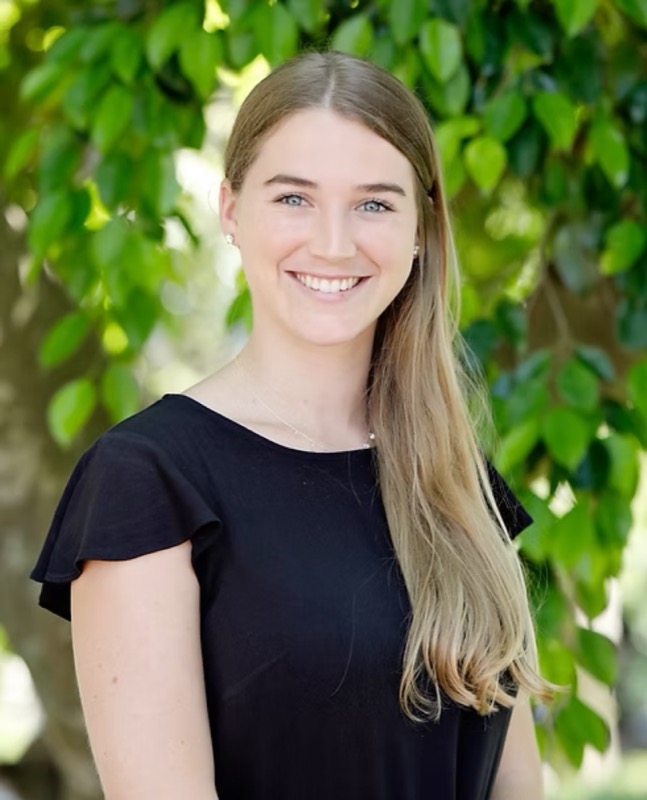
I'm a Bellavista-trained remedial teacher, BA Education, with a Foundation Phase specialisation. I run Wild About Learning out of Ballito on the KZN North Coast — a small practice, deliberately, because remedial work is slow and personal.
I started this because too many bright children get told they're not trying. They are trying. The problem is rarely the child.
The default. Most parents start here. Forty-five focused minutes, weekly, in a calm room.
Two to four learners, matched by age and skill. For children who benefit from peer learning.
A clear, plain-language map of where your child is. Not a diagnosis — informal, structured, useful.
Structured help for parents teaching at home. Lesson planning, weekly sessions, termly review.
South Africa's leading specialist school for learning differences, in Johannesburg. The training that informs every session.
Bachelor's degree in Education, with Foundation Phase specialisation (Grade R–3).
South African Council for Educators — the public register of qualified teachers.
South African Association for Learning and Educational Differences — professional standards body.
Most parents notice a quiet pattern before a teacher does — reading aloud is a fight, the same spelling word goes wrong every week, mental maths jams. If something has been off for more than a term, a free 20-minute call is the right place to start. We talk it through and work out whether remedial support fits or whether a different specialist is a better next step.
No. We work with children who have a formal diagnosis and children who don't. If a formal psycho-educational assessment is needed at any point, we refer to registered educational psychologists on the North Coast.
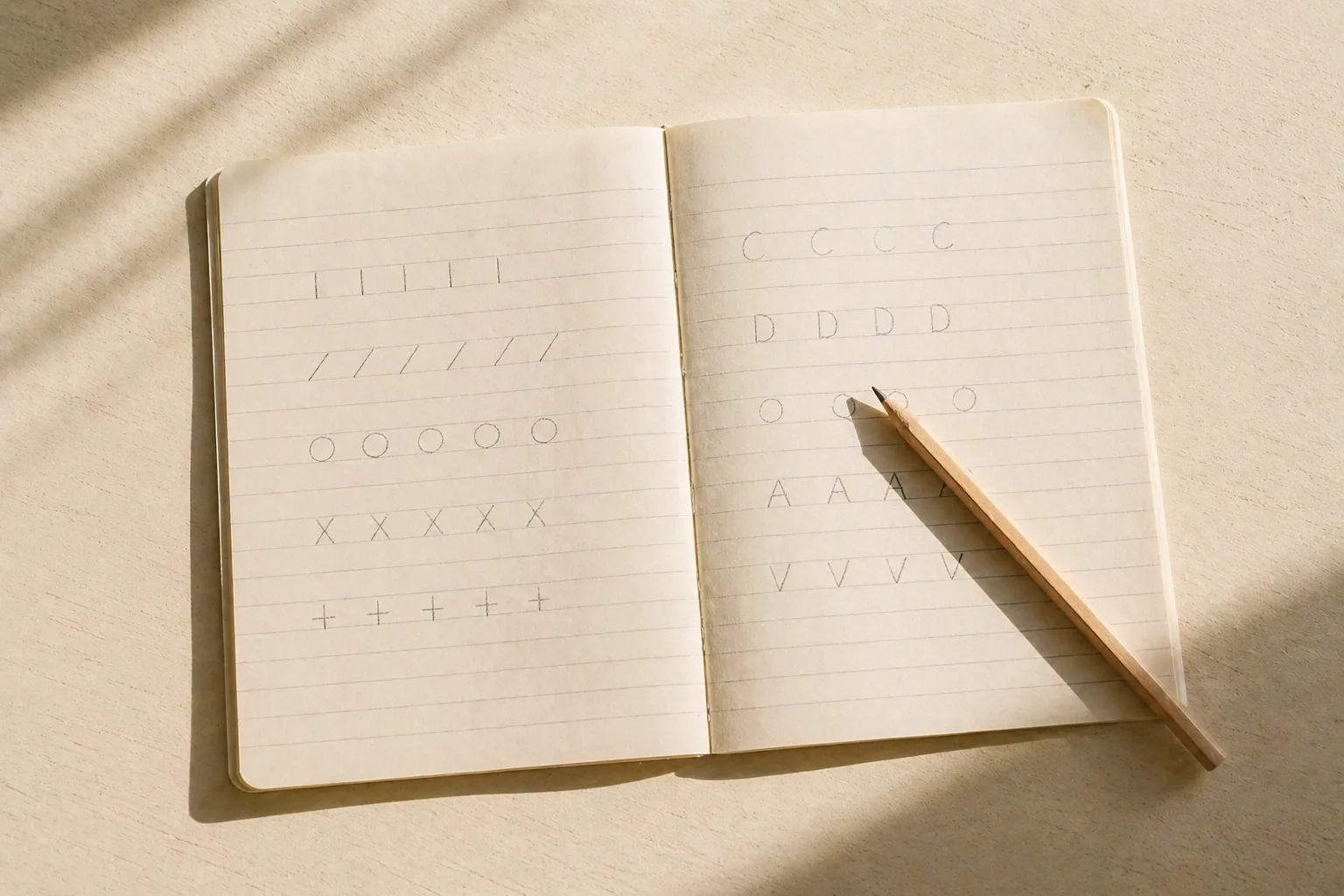
Forty-five minutes, one child, one room. A short warm-up, twenty minutes on a focused skill, ten minutes of consolidation, five minutes of feedback. Multisensory materials — letter tiles, sand trays, number rods — chosen for what your child needs that week, not a fixed curriculum.
Most parents notice a small confidence shift within four to six weekly sessions. Academic progress usually follows in the term after. Remedial work is slow on purpose — the goal is foundation that holds, not a quick win that fades.
A learning screening is informal — we look at where your child is in reading, writing and numeracy, and write a plain-language plan. A psycho-educational assessment is a formal diagnostic process performed by a registered educational psychologist. We do screenings; we refer for assessments.
Yes. We partner with schools on the North Coast to support individual learners or small remedial groups on-site. Enquiries from principals and heads of department go through the contact page.
Sessions are run from Ballito, on the KZN North Coast. Families travel in from Umhlanga, Salt Rock, Sheffield Beach, Tinley Manor, Simbithi, Zimbali, Brettenwood and the wider Dolphin Coast.
If you're outside that radius, get in touch — we'll work out whether sessions, online support, or a referral closer to you makes sense.

A small library of Foundation Phase printable packs — the same materials Chelsi uses with her own students, packaged for parents to print at home and homeschoolers to slot into a week.
First pack drops Q3 2026. Reading-stuck pack, letter-formation pack, number-sense starter, and a free parent checklist.
The first call is the whole point. You tell me about your child; I tell you honestly whether I'm the right fit.